Natalie Chandler
Instructional Designer & Wordsmith.
I am an Instructional Designer driven by the ‘show, don’t tell’ ethos.I combine the technical side of development - Articulate 360, AI-assisted prototyping, and deep-diving into data - with 20 years' editorial chops and a background in psychological sciences.My crooked little career journey has inspired me to create learning solutions that are both design-savvy and human-led. I build experiences that boost confidence and competence for the learner, and guarantee compliance for the client.

Certificate IV Building & Construction overhaul. I remediated 20 units of competency - transforming 'walls of words' into interactive, site-ready simulations. This included mapping, Articulate 360 development, & assessments. Click Image for Case Study.

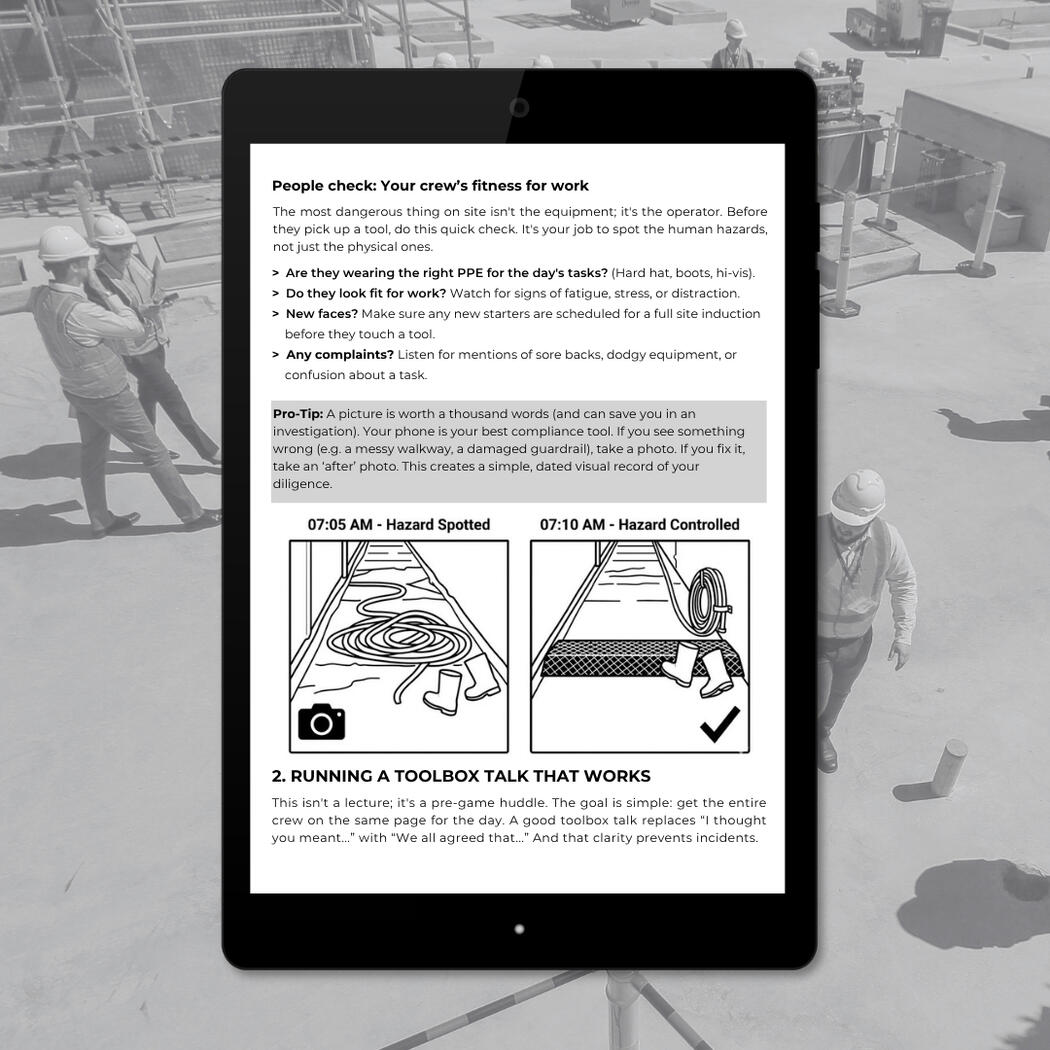
Mobile-optimised construction guides: I traded dense theory for visual, mobile-ready guides - making critical compliance data actually usable for workers on-site. Click Image for Case Study.

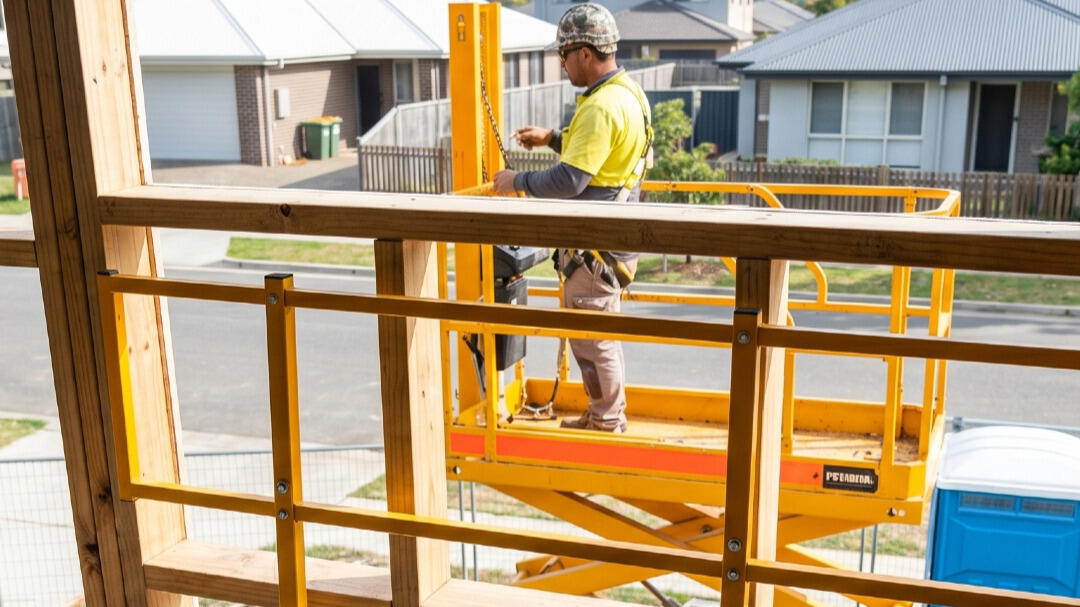
Test your ability to spot WHS hazards. Click Image for Case Study.

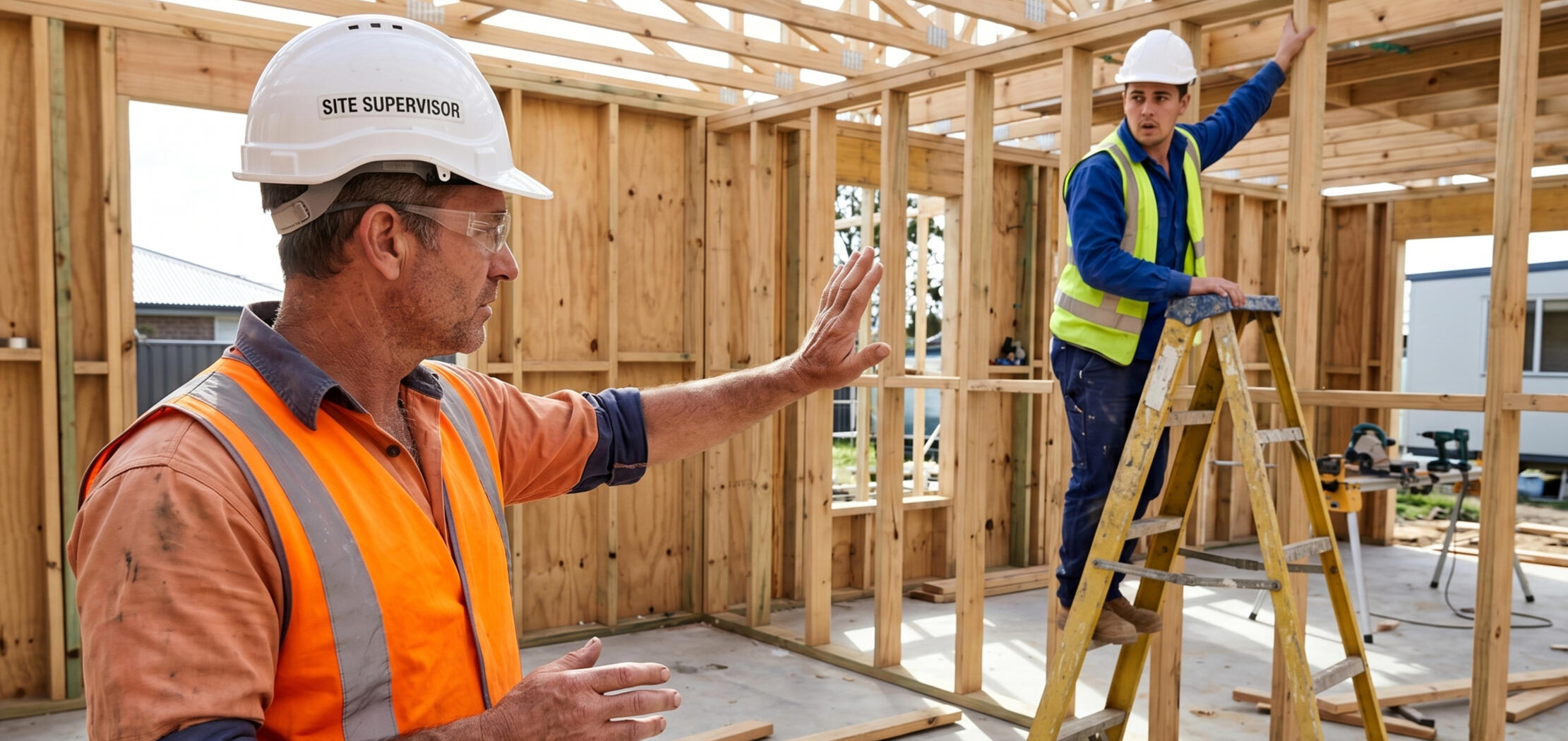
Using a hybrid Rise/Storyline 360 framework, I created a zero-risk environment for supervisors to practice critical on-site safety calls and subcontractor management. Click Image for Case Study.
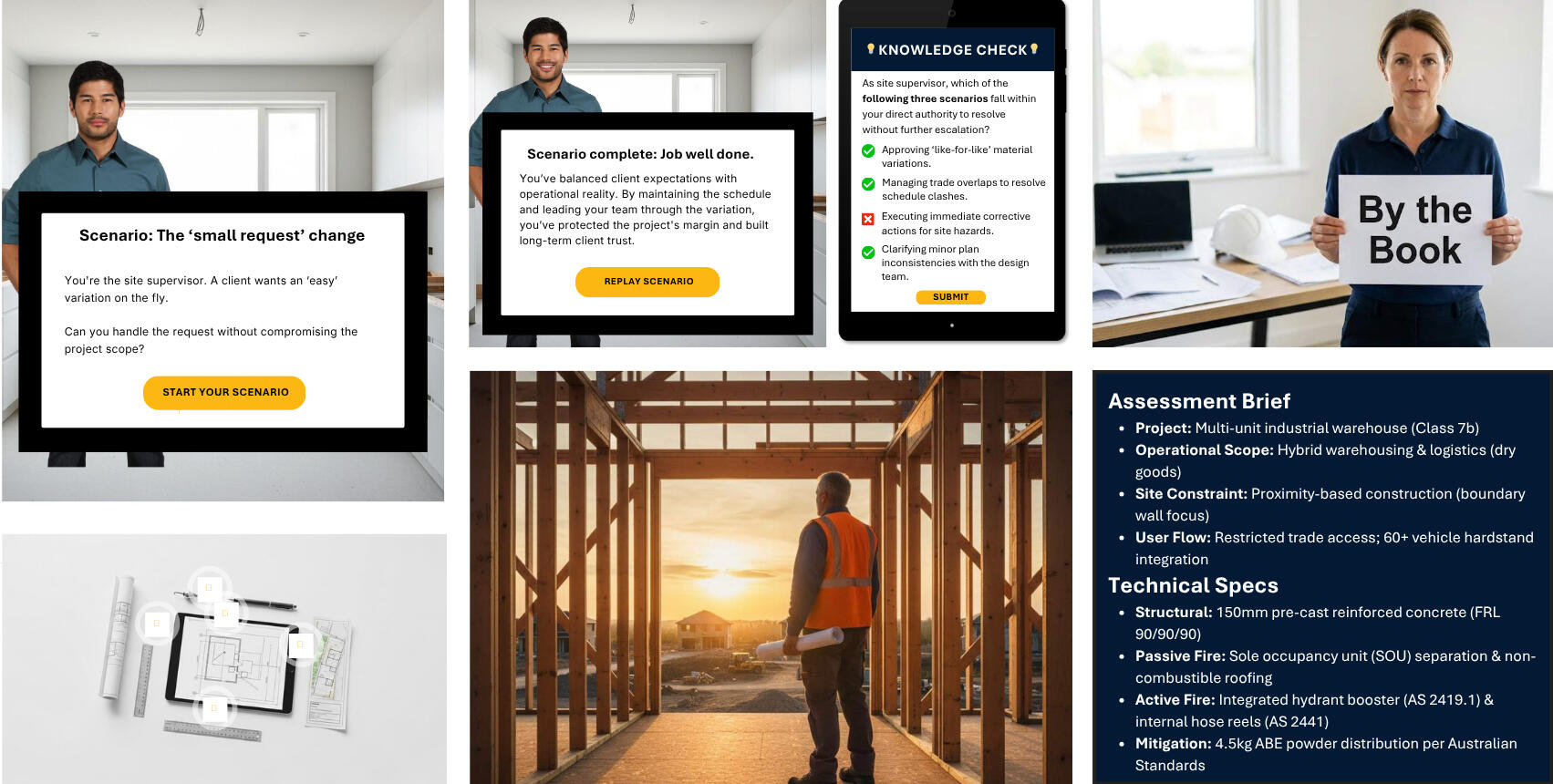

Case Study: Technical remediation of 20+ building & construction units
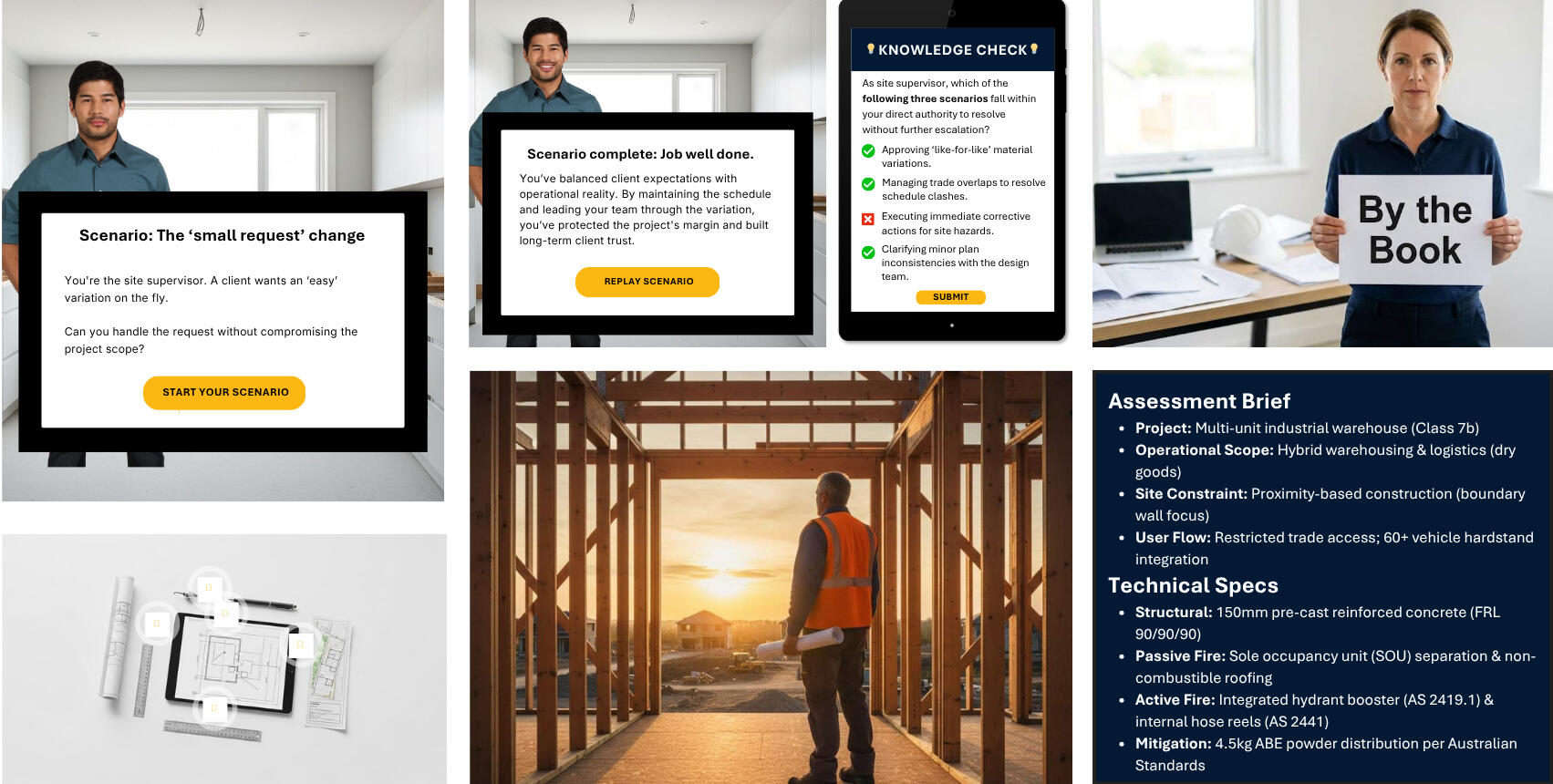
Challenge
I was recruited to finalise a ‘late-stage’ redevelopment of the Certificate IV in Building and Construction. Day one, an initial audit revealed significant structural gaps and instructional inconsistencies in the inherited content. The project required a rapid strategic pivot to rectify dense, passive ‘walls of words’ and unrefined, academic-sounding automated content that lacked the technical-yet-accessible nuance required for high-stakes construction training. Furthermore, the materials lacked the interactive elements essential for building VET-level competency.
Strategy
Facing aggressive delivery milestones, I implemented an accelerated remediation plan. My focus was a targeted, data-driven redesign of problematic learning modules and historically high-disengagement assessments. I conducted a lean learner analysis to establish a tone of voice that resonated with the B&C learner, stripping away the ‘AI-ick’ of the inherited materials. By integrating strategic imagery and AI-enhanced interactivity, I successfully transformed a stalled project into an audit-ready, premium digital asset - all while remaining respectful of high-pressure internal timelines.
Transformation
Accessible tone & compliance: I injected a conversational, ‘on-site’ voice into the materials, stripping away academic jargon while maintaining a rigorous eye on RTO performance criteria.
AI-assisted pilot development: I utilised generative AI to conduct lean learner analysis and generate specialised scripts, ensuring the technical content remained human-led and site-accurate.
Visual-first instruction: I replaced passive theoretical descriptions with technical diagrams, interactive scenarios, and scannable, high-contrast layouts.
Systems integration: I managed the end-to-end integration of Rise 360 and aXcelerate, ensuring seamless compliance reporting.
Result
The project concluded with a professional-grade, mobile-friendly 20+ unit qualification described by internal stakeholders as a “market-leading” product. It successfully bridged the gap between high-level audit requirements and site-based usability.
Case study: Overhauling a post-competency performance guide
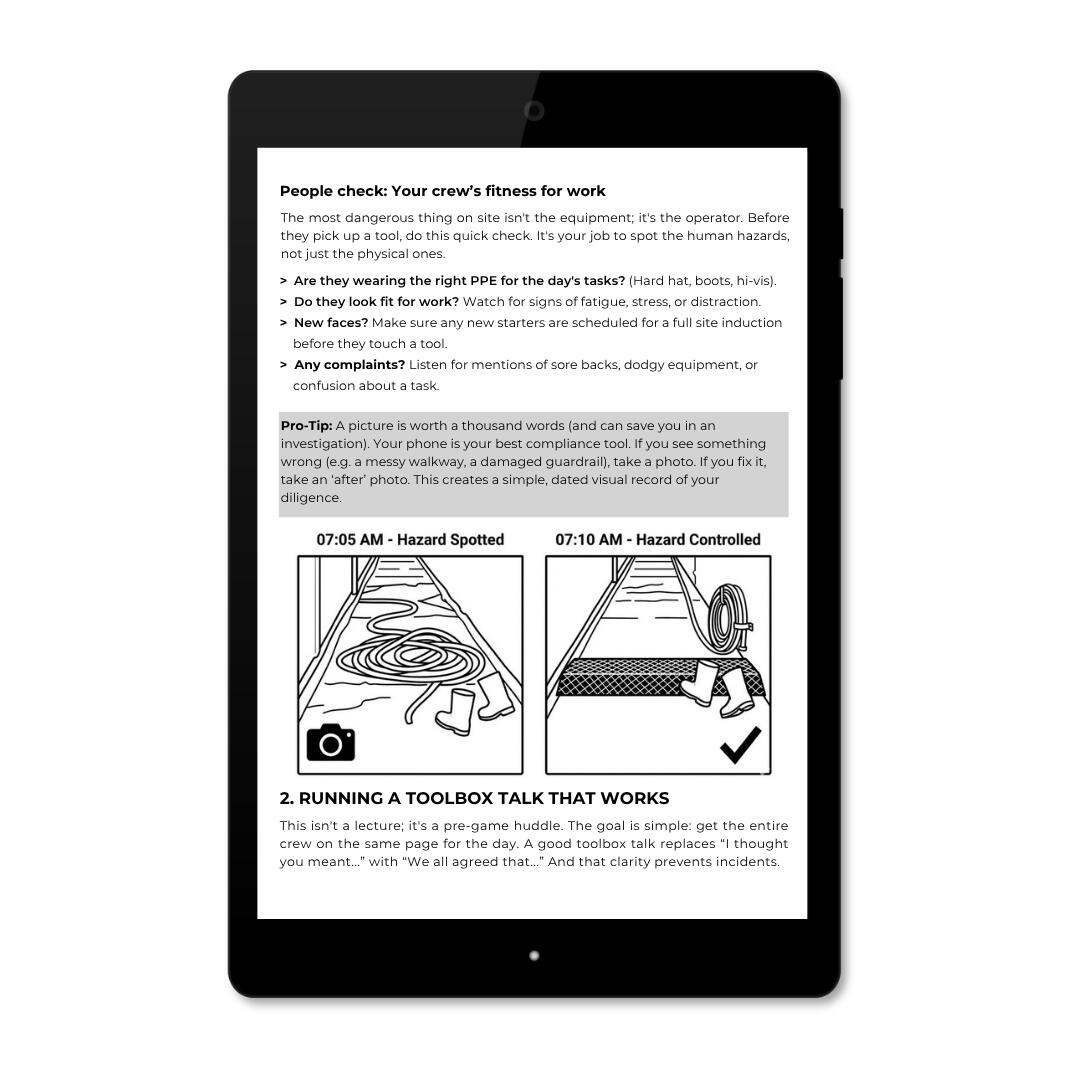
Challenge
The existing resources for the Certificate IV in Building and Construction were dense ‘downloadable textbooks’ - essentially verbatim training package requirements with minimal, unrefined AI enhancements. These documents were difficult to navigate and offered little practical value. My remit was to transform them into a suite of high-utility guides for each unit of competency, designed to be given to learners after they achieved competence to serve as a practical field reference.
Strategy
I pivoted the project from a dry academic textbook model to a performance support framework. My strategy was to ‘distil the competence’, extracting the most critical site-based knowledge from the UoC and reframing it for real-world application. I stripped away the academic jargon to create a site-ready guide that could be used as a practical ‘cheat sheet’ for newly qualified supervisors.
Transformation
From academic to accessible: I replaced the passive academic tone of the inherited materials with a conversational, peer-to-peer voice that resonates with a B&C learner on-site.
AI-driven rapid prototyping: To meet aggressive delivery mandates, I engineered a sophisticated AI workflow. By synthesising data from training.gov.au, legacy textbooks, and existing Rise 360 resources, I developed a system that generated specialised scripts for tables, charts, and bespoke low-fidelity imagery - bypassing generic stock photography for a more authentic site-ready feel.
Visual-first performance support: I leveraged this automated output to build a consistent visual language across the suite, replacing passive text with technical diagrams and high-contrast layouts for ‘at-a-glance’ decision-making.
Tablet-optimised ergonomics: Recognising that these guides would be accessed via mobile devices on-site, I designed the layouts specifically for tablet viewing. I utilised high-contrast headers, large-format scannable text, and oversized icons that remain legible even on a smaller screen in high-glare environments.
Result
The project established the architecture for a professional-grade suite of 20+ unit-specific guides that bridge the gap between assessment and action. By transforming stagnant compliance documents into a market-leading digital asset, the framework provides tangible, ongoing value to the learner long after the formal qualification is complete.
Case Study: Storyline 360 decision-based scenario for site hazard identification.

Challenge
WHS formative assessments that rely on static, multiple-choice questions fail to mirror the operational reality of the construction site. I identified the need for a site-accurate simulation that allowed learners to test their hazard perception.
Strategy
The goal was to replace passive safety content with a functional interaction that reflects the decision-making required on a residential build. I designed and developed a ‘Site Walkaround’ decision-based scenario using Storyline 360, stripping away theoretical jargon and focusing on three hazards common in residential builds. The standalone simulation prioritises visual literacy over rote memorisation.
Transformation
AI-assisted visual scripting: I moved away from generic stock photography, using AI prototyping to create imagery of a residential timber build. This allowed for the precise placement of hazards within a realistic workspace.
Site-specific feedback: I replaced passive ‘Correct/Incorrect’ pop-ups with site-specific consequences. Every identified hazard triggers technical feedback on the specific risk (e.g. arc flash or fall potential) and the required corrective action, reinforcing WHS compliance standards.
Tablet-optimised UX: I utilised high-visibility interactive states (orange hover effects; blue thumbs up) to provide clear visual cues, ensuring touch targets are unmistakable even in high-glare environments.
Logic-driven interactivity: I utilised custom states and variables to track learner progress, ensuring a lean, responsive experience that eliminates the need for instructional ‘walls of words’.
Result
I delivered a micro-learning interactive digital asset that demonstrates how complex safety requirements can be transformed into a functional, no-nonsense simulation for the building and construction industry.
Case Study: Digital WHS module for site-ready construction leadership.
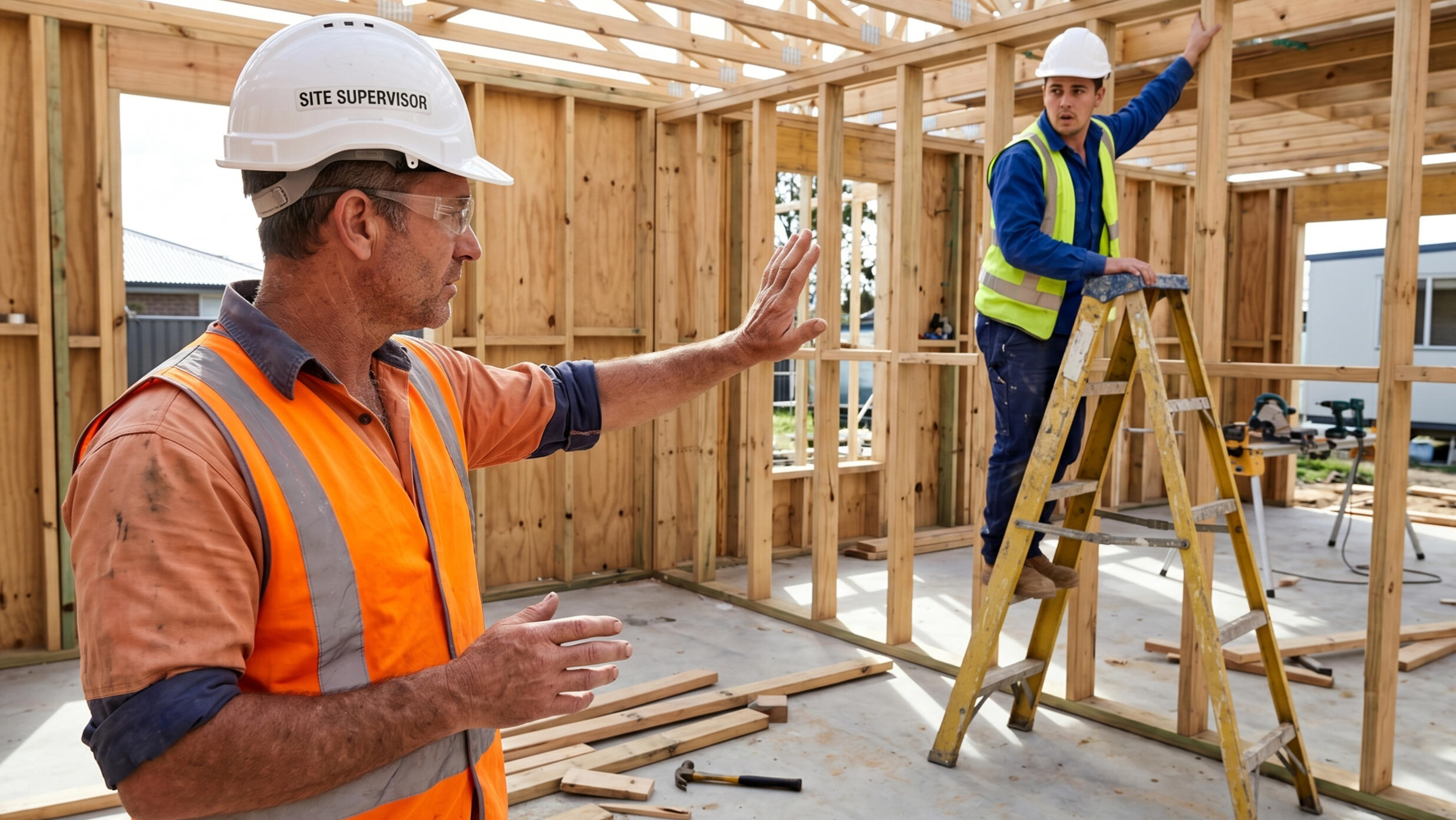
Click the image above to launch the interactive module.
Challenge
For the ‘boots on the ground’ supervisor, generic vocational safety training lacks the practical grit needed to make safety calls on a live site. I created a module using the interactive elements of Rise 360 and Storyline 360 to bridge that gap between passive compliance and the functional decision-making required to keep a site safe and audit-ready.
Solution
The mobile-optimised solution enables learners to test their know-how in a no-risk setting. I stripped away academic jargon and focused on ‘the supervisor’s lens,’ reframing safety from a dry manual into a functional tool that prioritises site reality over corporate theory.
Transformation
The Supervisor’s Duty: A practical breakdown of legal responsibilities and reasonably practicable standards through the correct execution of SWMS.
The Supervisor’s Lens: A visual auditing framework that trains supervisors to assess site conditions against the hierarchy of controls.
The Supervisor’s Call: A decision-based Storyline 360 scenario simulating subcontractor intervention, requiring learners to identify hazards and make real-time calls based on site consequences.
The Paper Trail: Targeted instruction on the ‘4 Essentials’ to ensure site diaries and safety logs serve as robust evidence of diligence.
Mobile-First: Layouts specifically engineered for tablet and smartphone use, allowing for ‘on-the-fly’ reference in high-glare, active site environments.
Result
By moving beyond passive content, the module provides a framework for consistent, audit-ready decision-making that holds up under the pressure of a live build.
Click the image below to launch the interactive module.